Big Living in Small Spaces

Size doesn't limit style or function. Discover how smart design and strategic organization can make your compact space feel expansive and luxurious.

Space Maximization Strategies
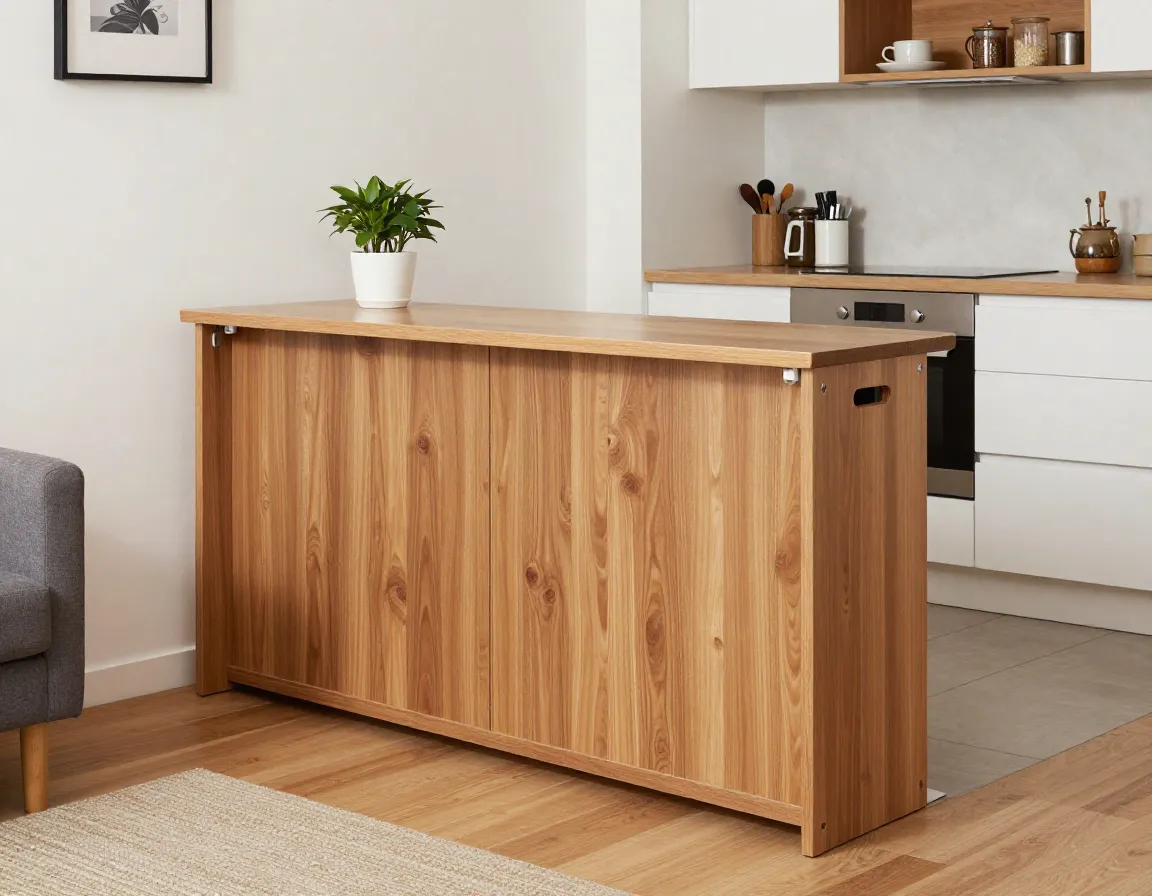
Space optimization solutions for small apartments

Vertical Storage Solutions

Utilize wall space with floating shelves, wall-mounted organizers, and tall storage units. Vertical storage frees up floor space while keeping items accessible. Consider floor-to-ceiling shelving systems that maximize storage capacity in minimal square footage.

Multi-Functional Furniture

Choose furniture that serves multiple purposes. Storage ottomans, sofa beds, and extendable dining tables provide functionality without consuming excess space. These pieces eliminate the need for separate items, reducing overall furniture footprint.

Hidden Storage Opportunities

Identify and utilize hidden storage spaces like under beds, behind doors, and above cabinets. Storage bins, hanging organizers, and drawer dividers help maximize these often-overlooked areas effectively.

Room-Specific Solutions

Compact Kitchen Organization

Use magnetic strips for knives and utensils, install hooks inside cabinet doors, and utilize drawer dividers. Stackable containers and collapsible items reduce storage needs. Keep only essential appliances on counters to maintain workspace.

Efficient Bedroom Layout

Choose a platform bed with built-in drawers for clothing storage. Use vertical space with hanging organizers in closets. Under-bed storage containers provide additional space for seasonal items or extra linens without cluttering the room.

Living Area Optimization

Select furniture with slim profiles and exposed legs to create visual space. Use mirrors to reflect light and create depth. Built-in shelving eliminates the need for freestanding bookcases, keeping the floor clear and organized.

Decluttering for Small Spaces

Ruthless Item Evaluation

In small apartments, every item must earn its space. Evaluate possessions regularly, keeping only items that serve a clear purpose or bring genuine joy. When bringing in new items, follow the one-in-one-out rule to maintain balance.

Seasonal Rotation

Store out-of-season clothing and items in compact containers that can be tucked away. This approach keeps current items accessible while preventing seasonal clutter from occupying valuable daily-use space.

Digital Alternatives

Replace physical items with digital versions when possible. Books, photos, documents, and media can be stored digitally, freeing significant physical space while maintaining access to important information and entertainment.

Creative Storage Ideas

Door and Wall Utilization

Install over-the-door organizers for shoes, accessories, or cleaning supplies. Use wall-mounted baskets and hooks for frequently used items. These solutions add storage without reducing floor or furniture space.

Furniture with Storage

Invest in coffee tables, benches, and seating with hidden compartments. These pieces provide storage while serving their primary function, effectively doubling their utility in small spaces.

Corner Solutions

Don't ignore corner spaces. Corner shelves, corner desks, and L-shaped furniture arrangements maximize room layout efficiency. These solutions make use of areas that often remain underutilized.

Lighting and Visual Space

Maximize Natural Light

Keep windows unobstructed and use light-colored window treatments. Natural light makes spaces feel larger and more open. Mirrors positioned to reflect light further enhance this effect throughout the apartment.

Strategic Color Choices

Light colors on walls and major furniture pieces create visual space. Use darker or brighter colors as accents rather than dominant themes. This color strategy makes rooms appear more spacious and less confining.

Organization Systems for Small Spaces

Zoned Organization

Create distinct zones for different activities within single rooms. A living room can include work, relaxation, and dining zones through furniture arrangement and organization. Clear boundaries prevent items from migrating between zones.

Labeling and Accessibility

Label storage containers clearly so items can be found quickly without creating mess. Place frequently used items at eye level and in easily accessible locations. Less-used items can occupy higher or lower storage areas.

Professional Small Space Consulting

Small spaces are our specialty. We help clients discover hidden potential in their compact homes. Let us show you what's possible in your space.

Schedule Consultation